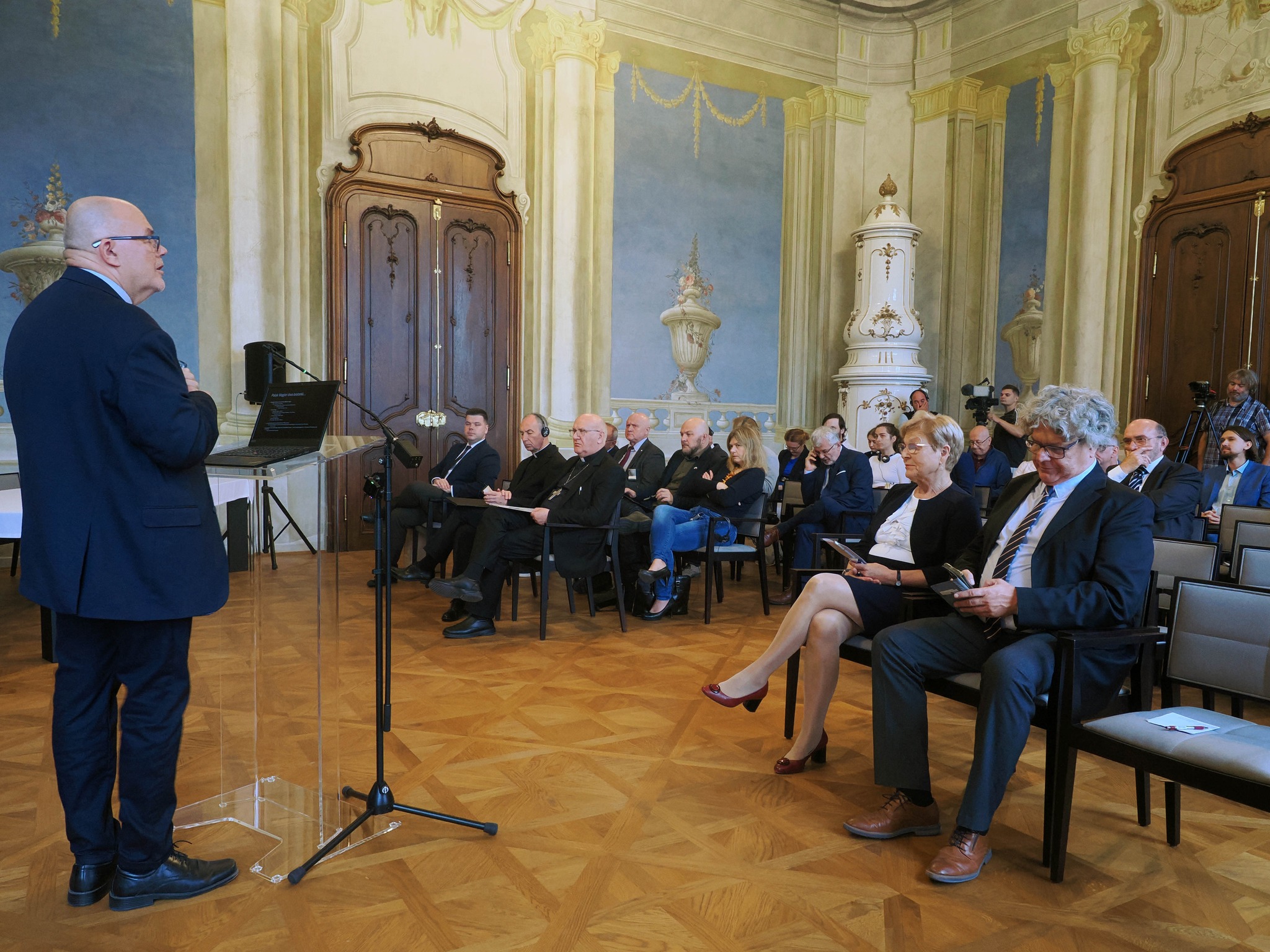
The city of Veszprém hosted an exceptional international conference titled “Bolesław the Brave and the Birth of Central Europe,” bringing together leading historians, clergy, and students from Hungary, Poland, and Czechia. Over two days, participants combined academic discussion with liturgy, music, and cultural visits, emphasizing how historical research, memory politics, and shared heritage remain closely connected in Central Europe.
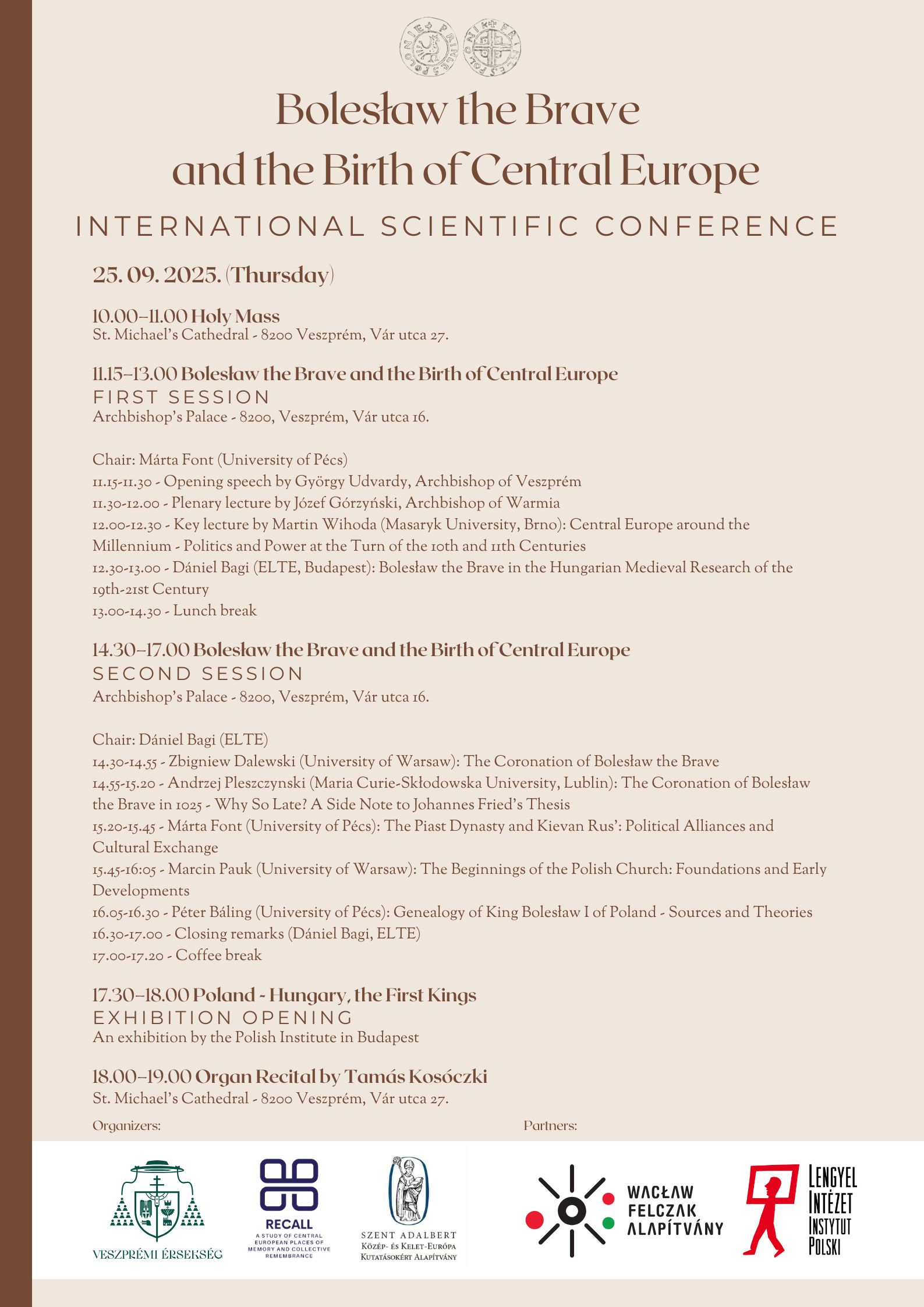
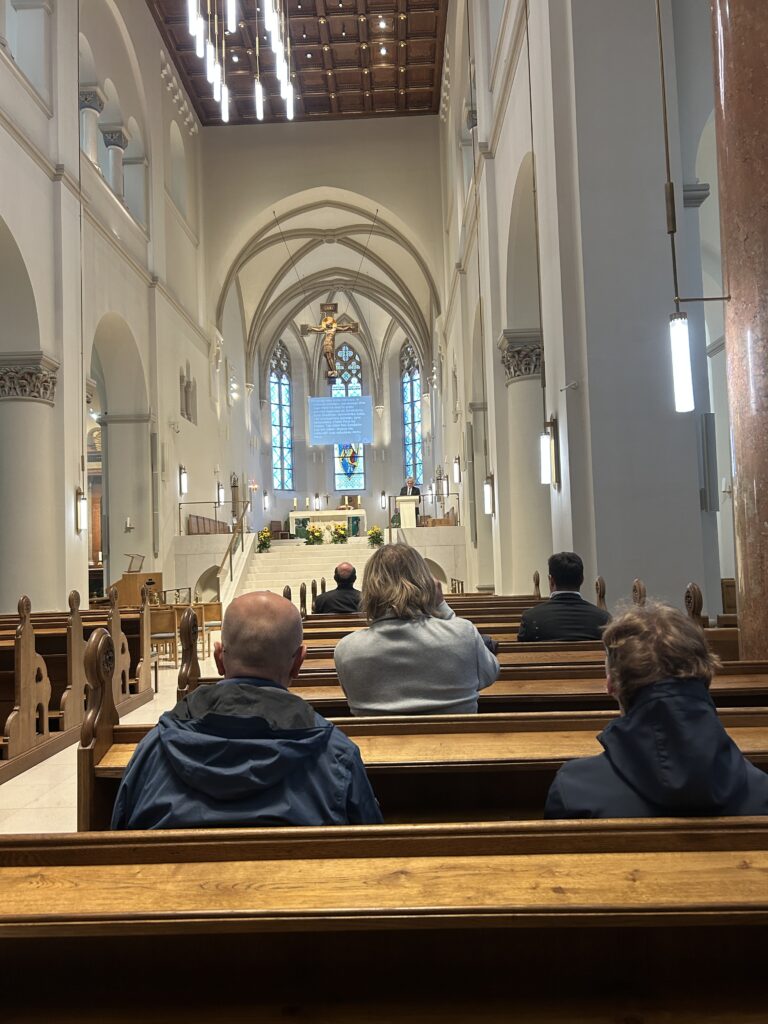
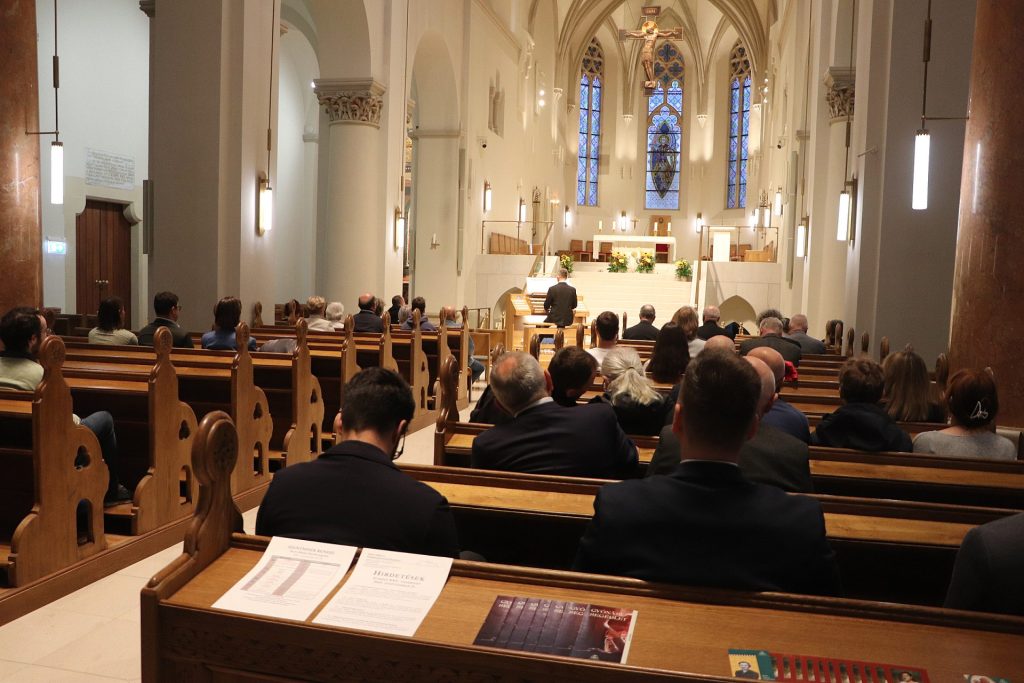
The opening day began in a fitting setting: Holy Mass at St. Michael’s Cathedral. Celebrated in Latin by the Archbishops of Warmia and Veszprém, with homilies in both Hungarian and Polish, the liturgy served as a symbolic reminder of the shared Christian roots of Central European societies.
From there, attention shifted to key lectures led by Professor Márta Font (University of Pécs). Archbishop György Udvardy opened the session, followed by a plenary lecture by Archbishop Józef Górzyński, while Professors Martin Wihoda (Brno) and Dániel Bagi (Budapest) outlined the main scholarly questions. They explored the political and religious dynamics of the turn of the first millennium and how Bolesław I the Brave has been interpreted in Hungarian medieval research.
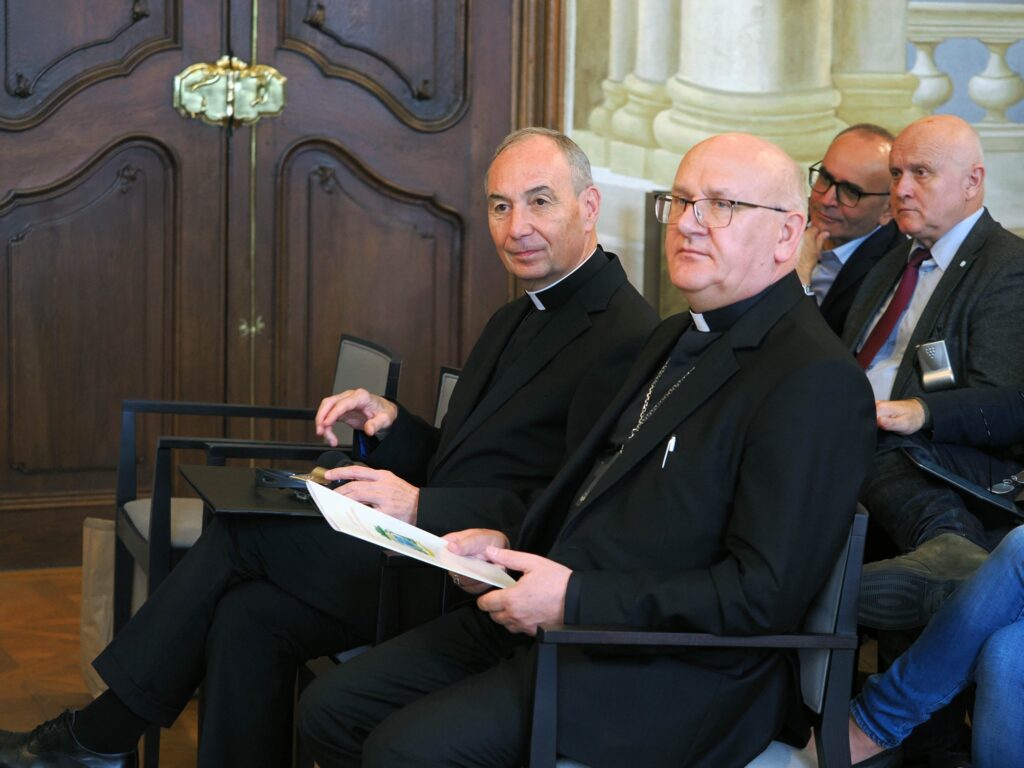
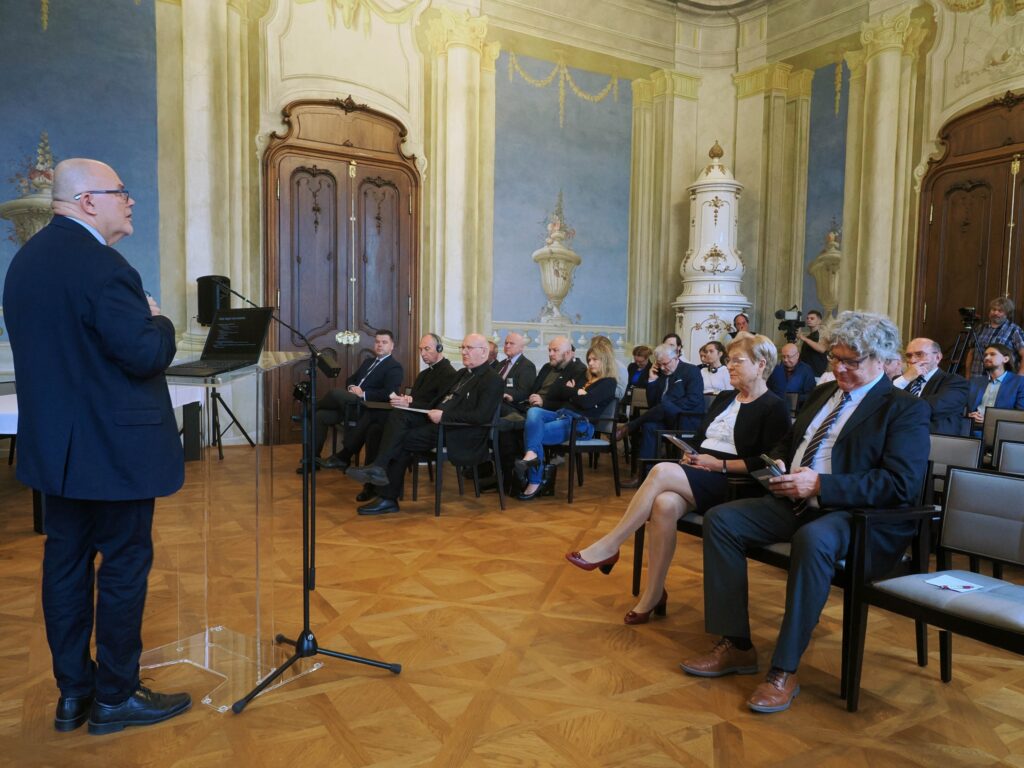
The afternoon session, coordinated by Professor Dániel Bagi, provided detailed perspectives on medieval Central Europe. Topics included the 1025 coronation of Bolesław the Brave, discussed by Zbigniew Dalewski and Andrzej Pleszczyński; Bolesław’s relationships with Kievan Rus’, presented by Márta Font; the early institutional development of the Polish Church, analyzed by Marcin Pauk; and genealogical debates about the Piast dynasty, introduced by Péter Báling. The first day concluded with a public exhibition opening at the Polish Institute in Budapest, followed by a grand organ concert in the Cathedral, where organist Tamás Kosóczki played a program of Baroque and Romantic works. The concert reminded attendees that sacred music is an integral part of Europe’s cultural heritage.
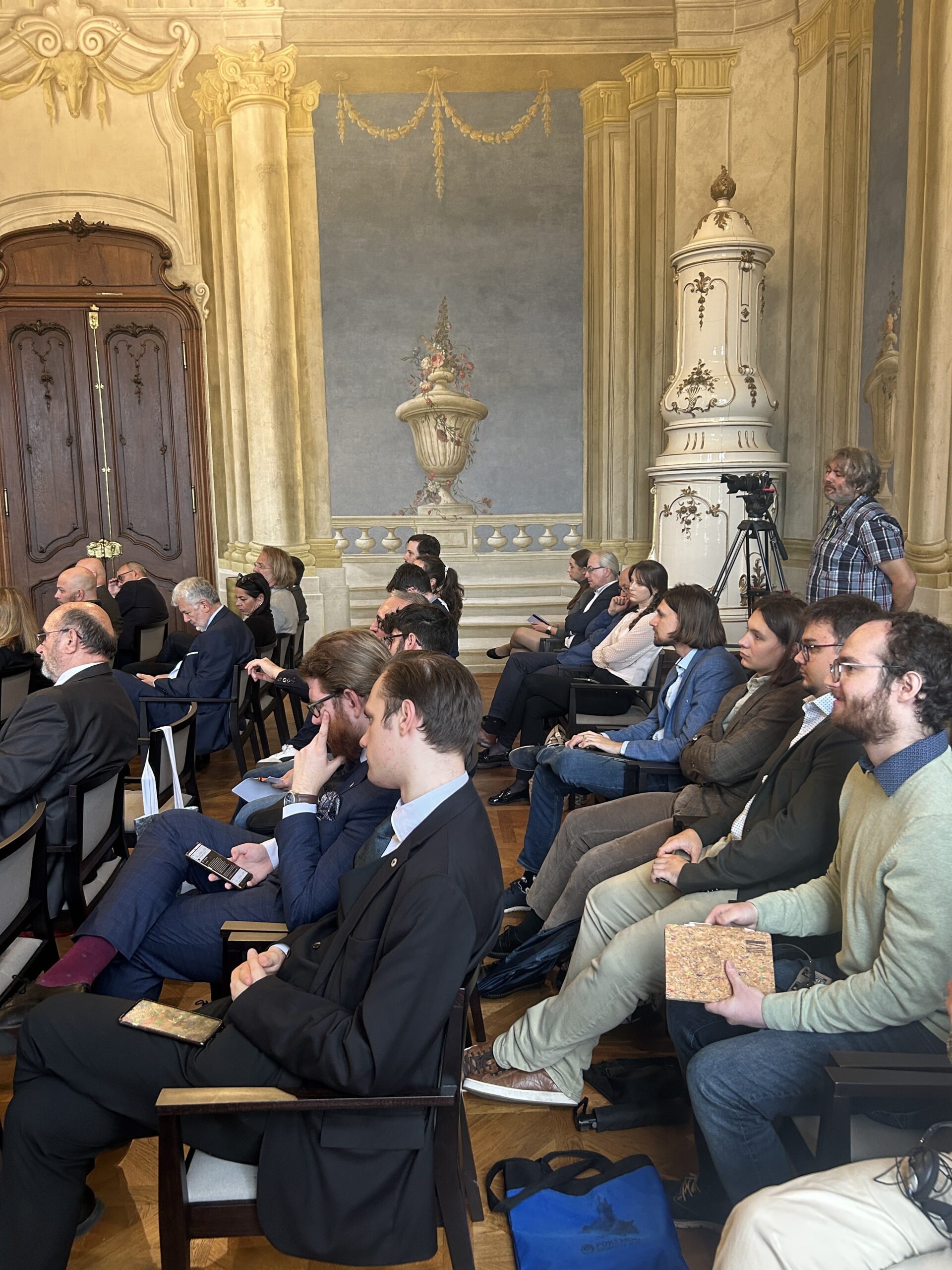
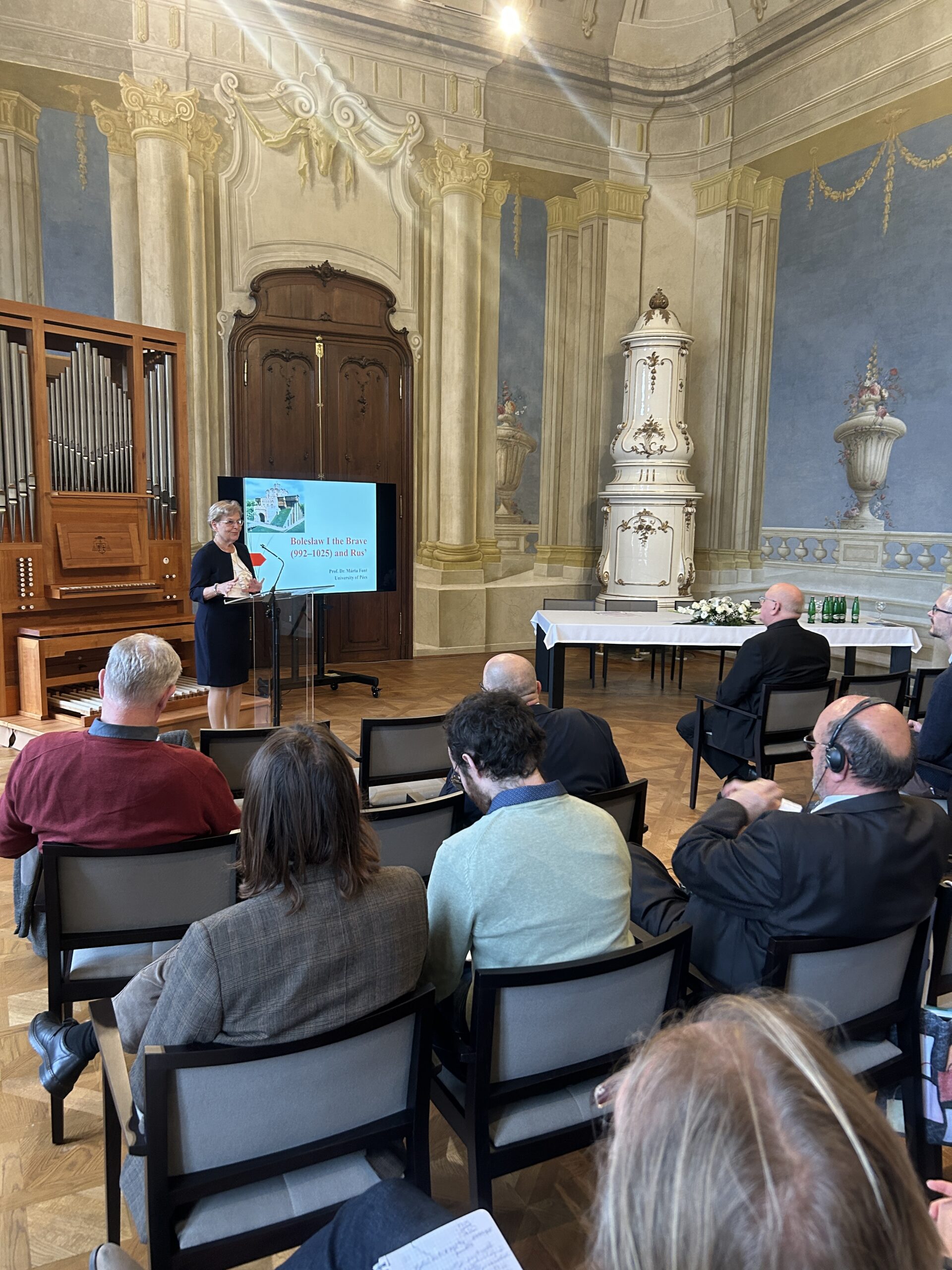
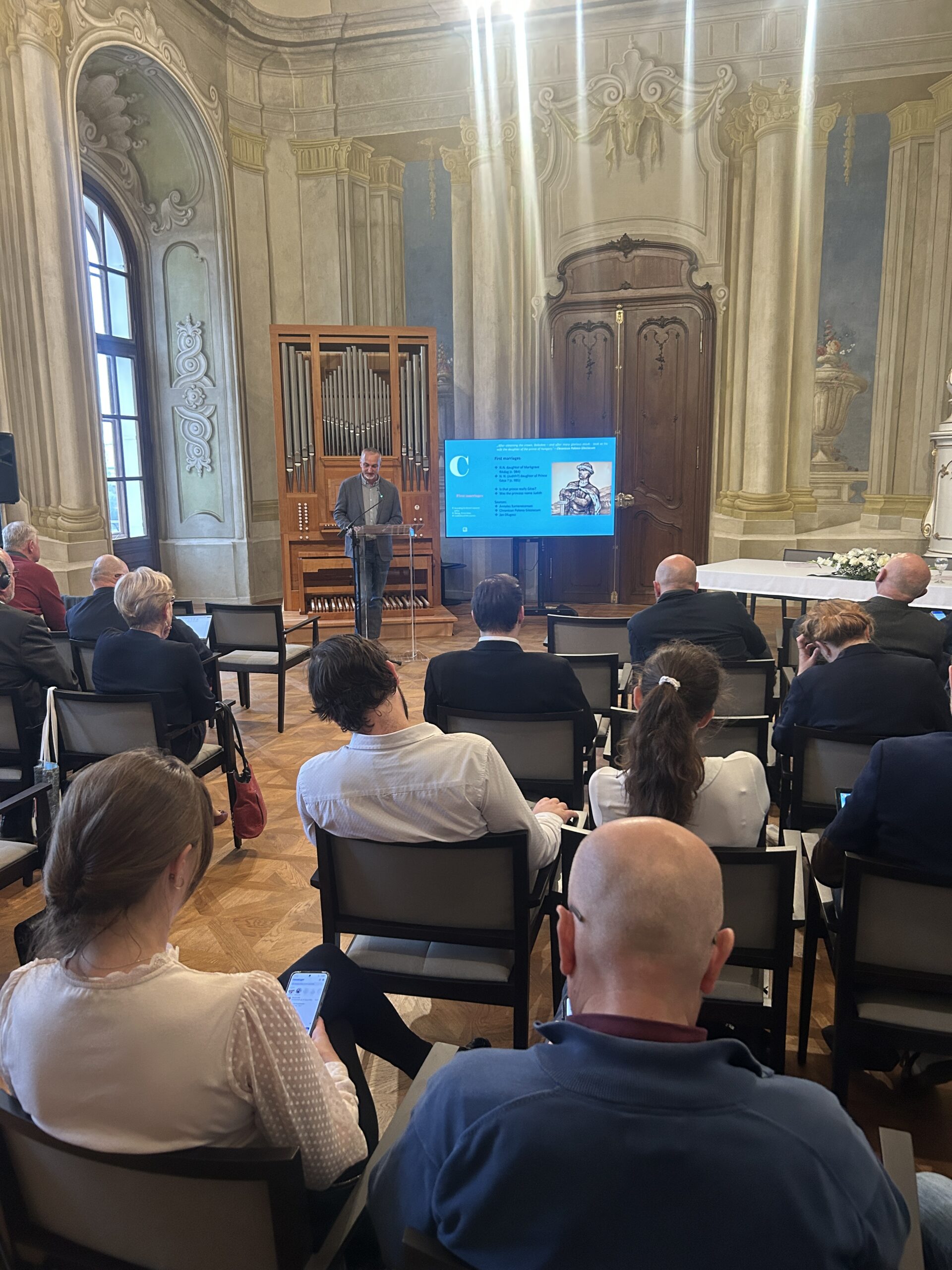
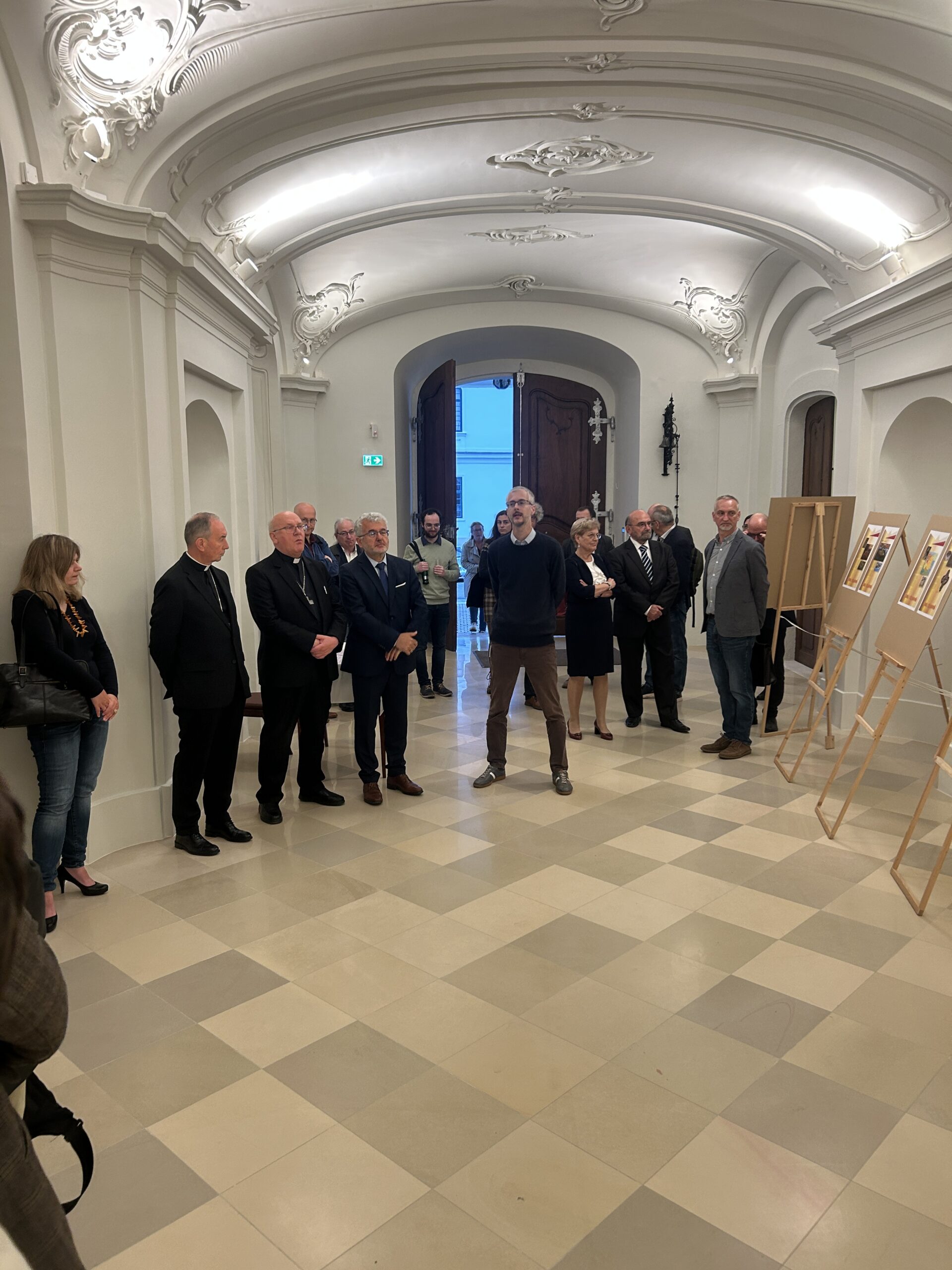
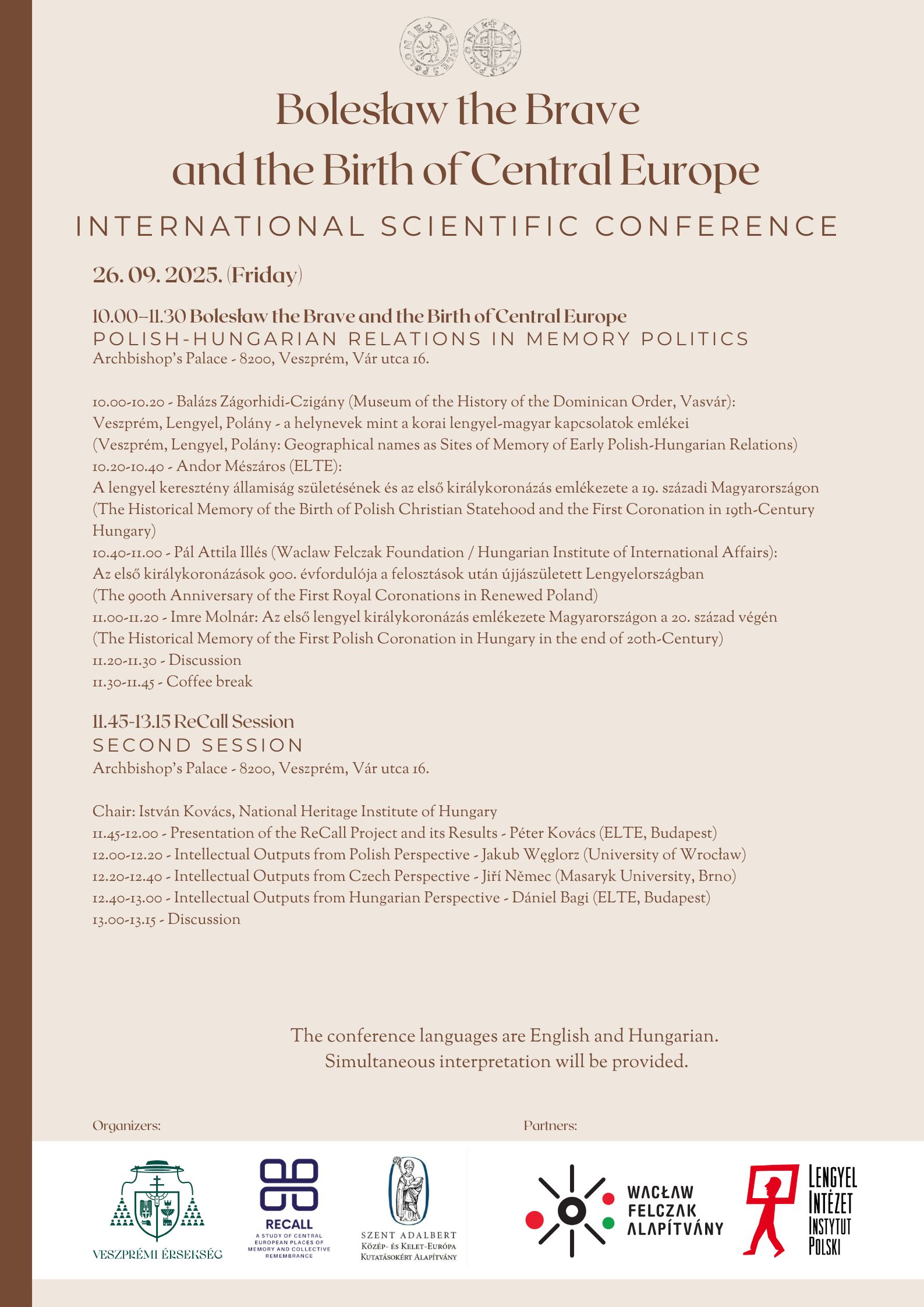
The second day started with a session on Polish–Hungarian relations in memory politics, led by Professor Dániel Bagi. Scholars from Hungary examined how place-names such as Veszprém, Lengyel, and Polány preserve traces of early Polish–Hungarian ties, and how anniversaries of Polish coronations were remembered in Hungary during the 19th and 20th centuries. These papers demonstrated how the interpretation of medieval events continues to influence national memory and cross-border connections.
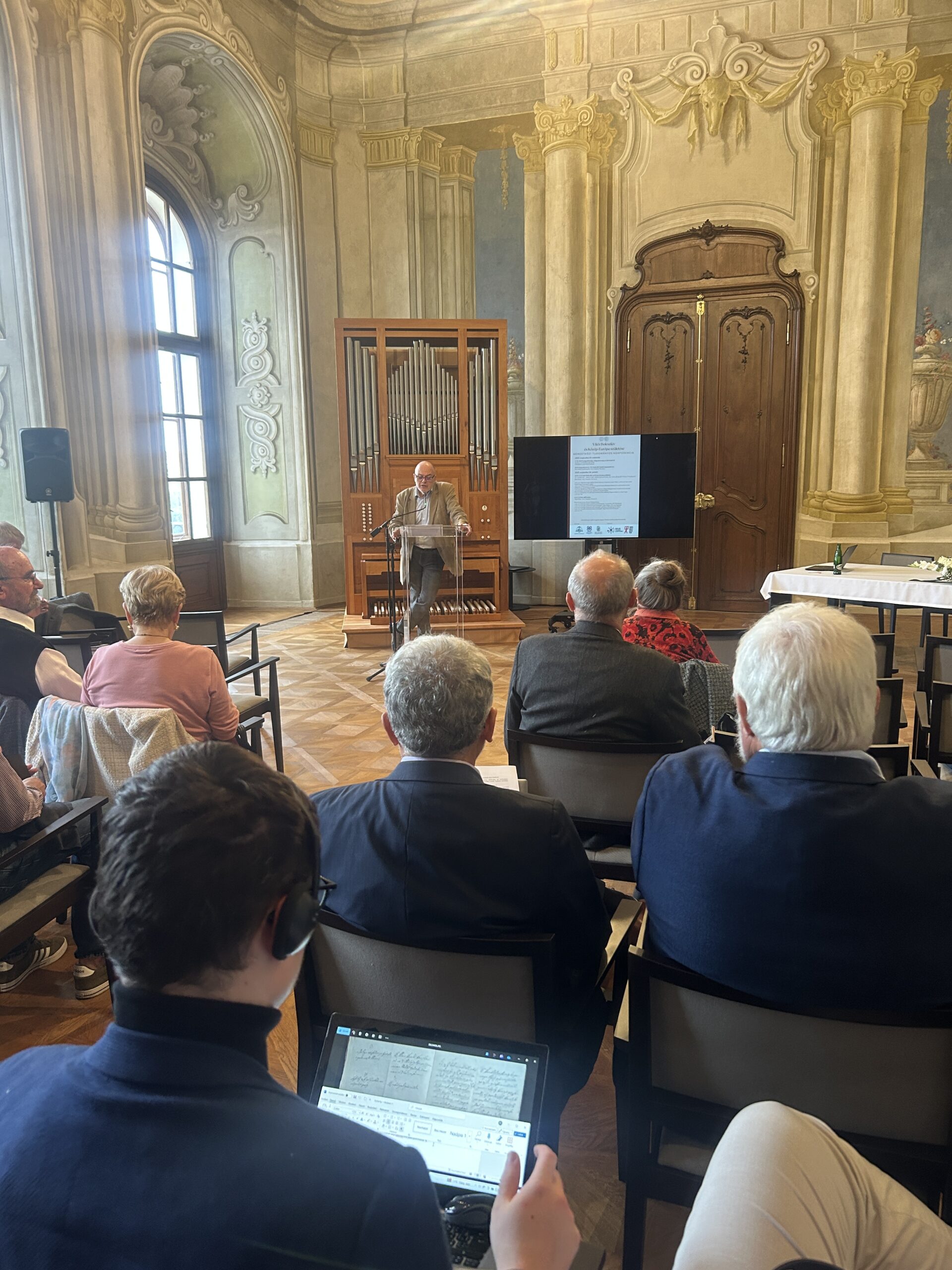
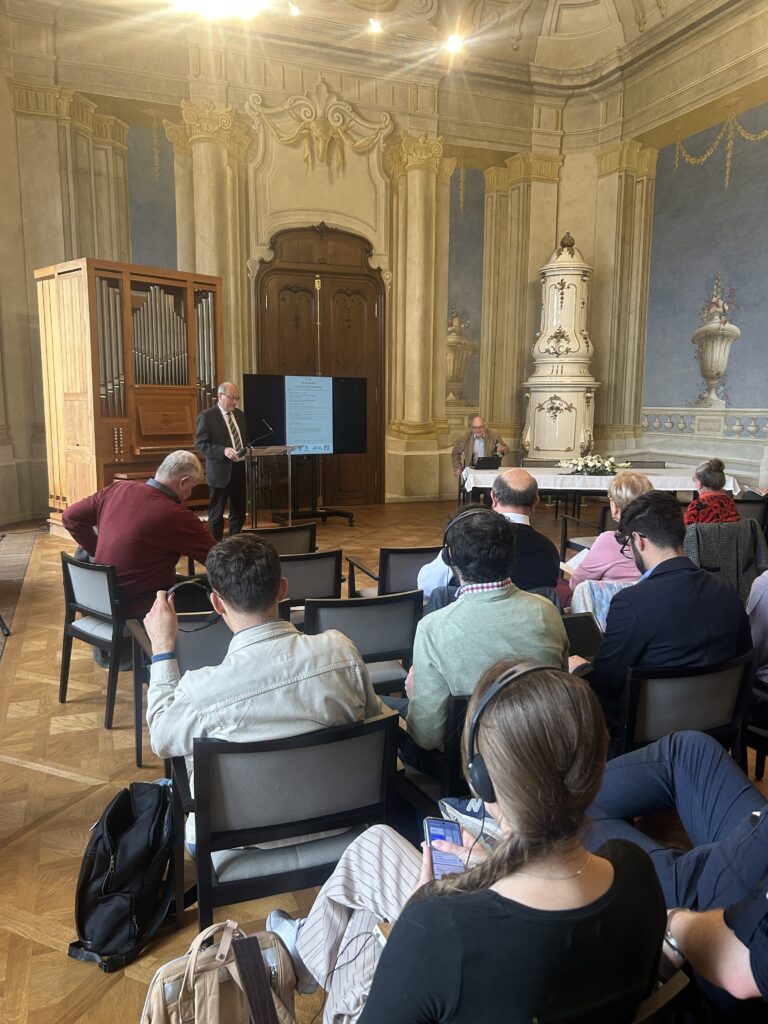
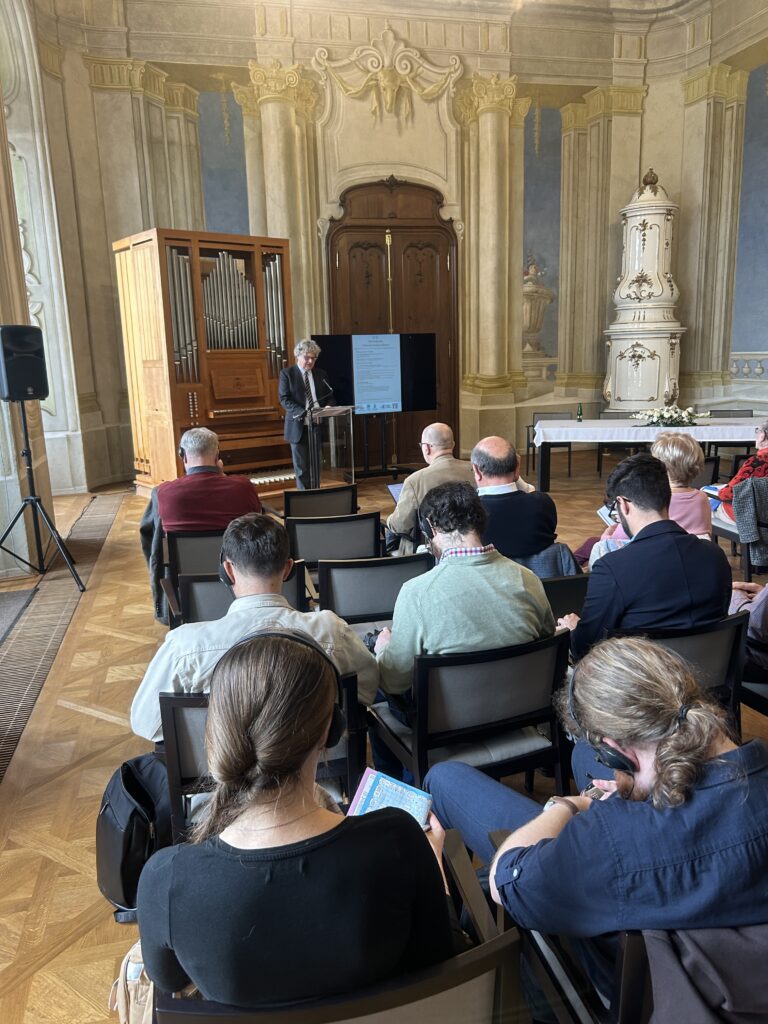
Following this, a dedicated ReCall Project session took place, led by István Kovács (National Heritage Institute). Péter Kovács shared the overall achievements of the Erasmus+ project, while Jakub Węglorz, Jiří Němec, and Dániel Bagi offered Polish, Czech, and Hungarian perspectives on its outputs, from digital catalogues to educational modules. The discussion highlighted the value of collaborative research in creating resources that benefit both academia and the general public.
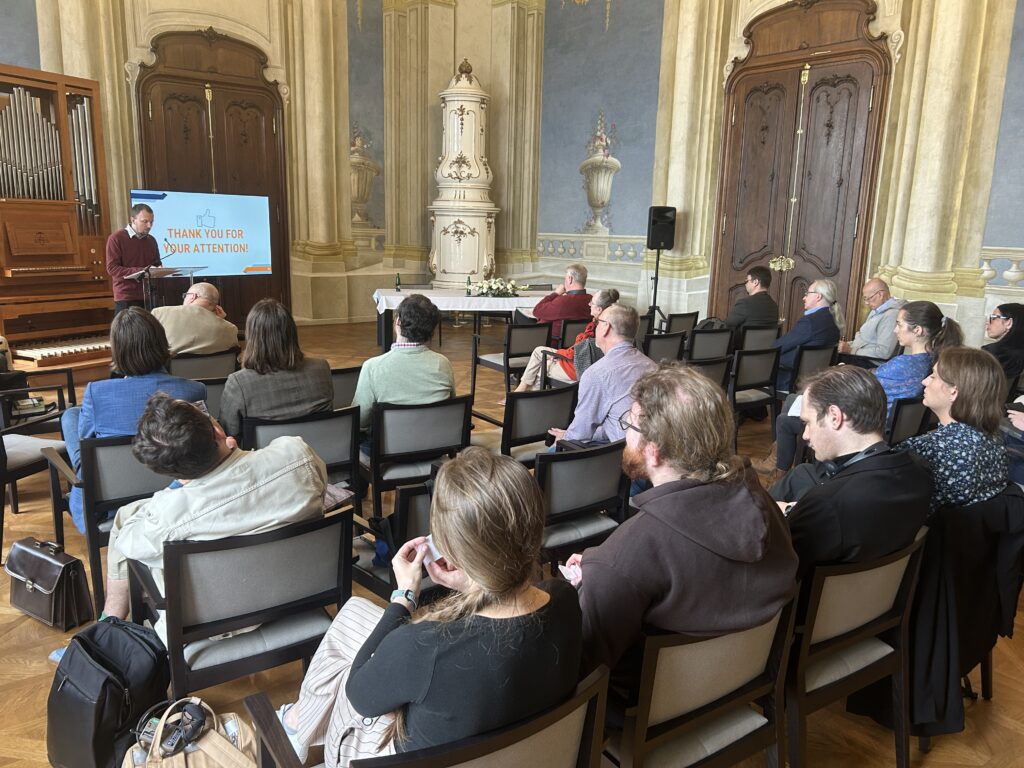
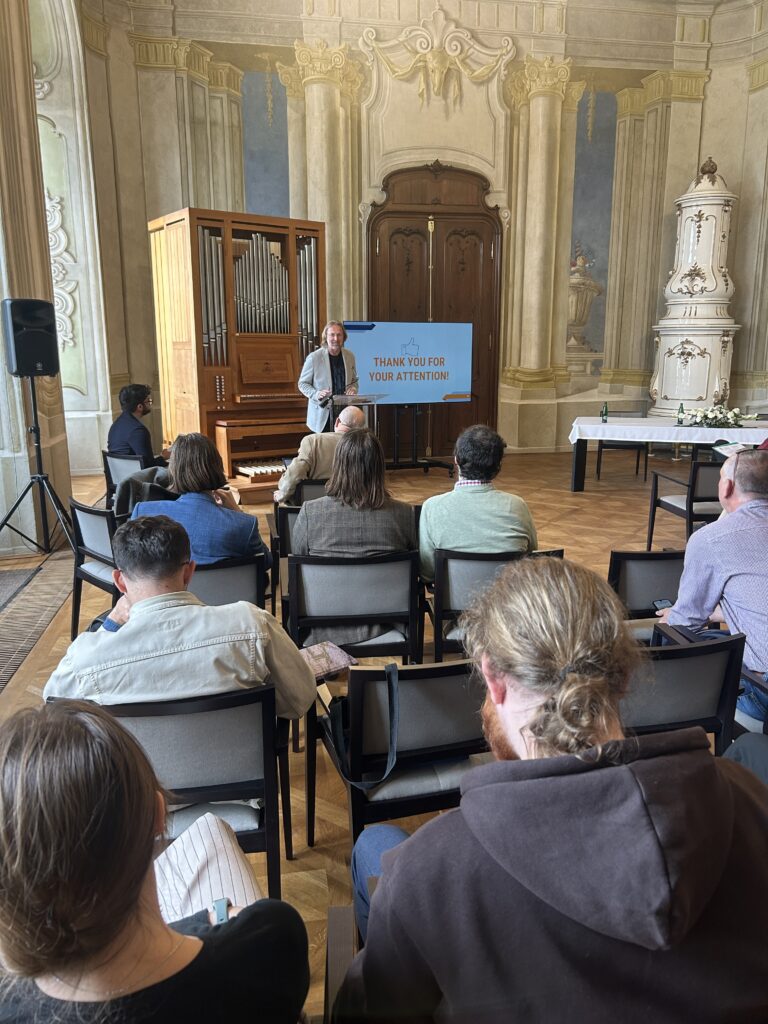
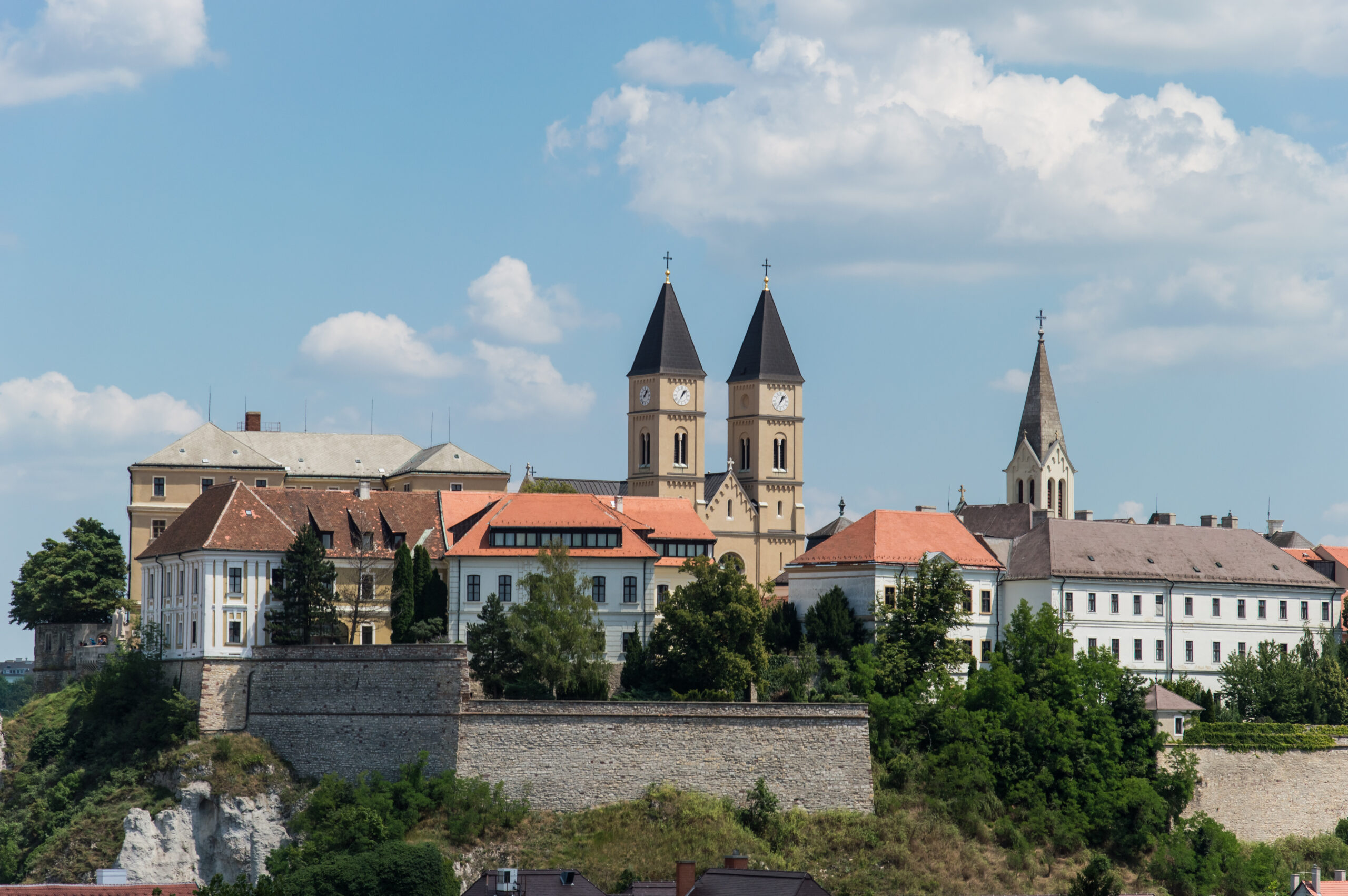
In the afternoon, attendees had the opportunity to step outside the conference hall and experience Central Europe’s cultural heritage firsthand. After a guided walk through Veszprém’s historic Old Town, the group visited the Benedictine Abbey of Tihany, a site of significant symbolic and spiritual importance. The abbey’s location on the shores of Lake Balaton provided a reflective end to two days of meaningful exchange and dialogue.
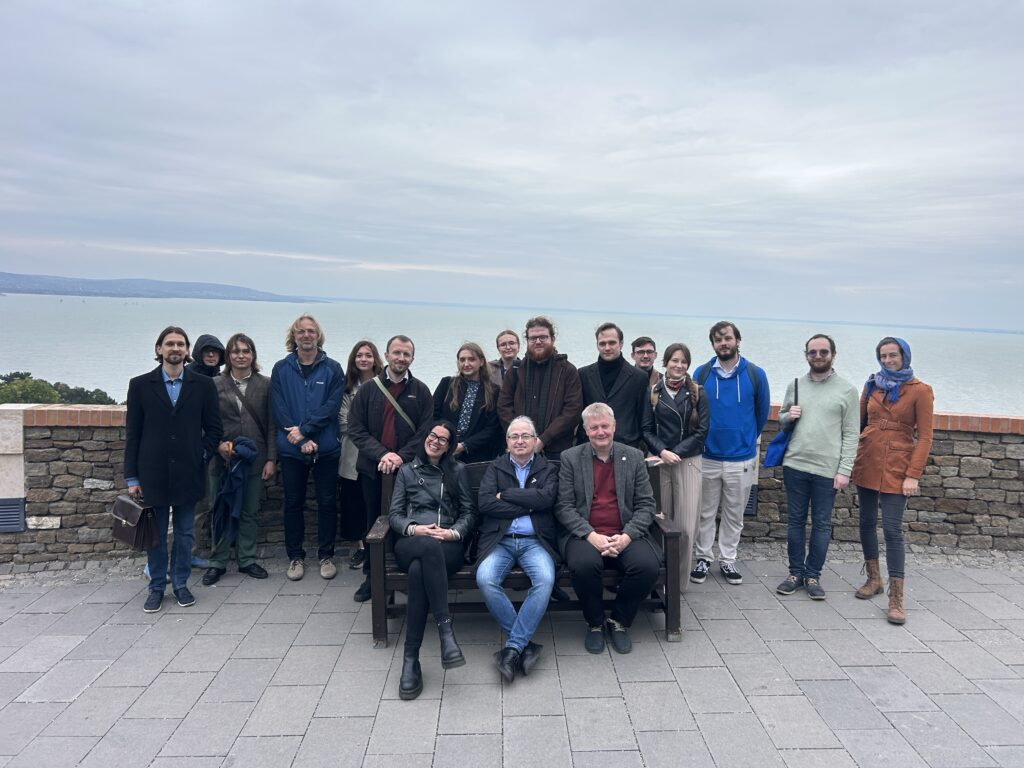
The conference emphasized that Bolesław the Brave’s legacy is not only a matter of medieval history but also a key to understanding how Central Europe remembers, narrates, and reinterprets its past. It was an academic event but also a cultural and spiritual journey that strengthened connections across borders.
This program would not have been possible without the support of our partners. We are especially grateful for the support of the Erasmus+ Program, which enabled cooperation among institutions and the sharing of knowledge across Central Europe.
Organizers: Archdiocese of Veszprém • ReCall Project • Saint Adalbert Foundation
Partners: Wacław Felczak Foundation • Polish Institute in Budapest • Collaborating universities
RECALL — A Study of Central European Places of Memory for Collective Remembrance
Grant No.: 2023-1-HU01-KA220-HED-000154286
Funded by the European Union. The information and statements presented herein reflect the views of the author(s) only and do not necessarily represent the official position of the European Union or the Tempus Public Foundation. Neither the European Union nor the granting authority can be held responsible for them.